
Your Guide to a Healthy Lawn After the Minnesota Spring Thaw
The arrival of the spring thaw is a moment every Minnesotan celebrates. As the mountains of snow recede, we eagerly look for the first signs of green. But this critical transition from winter dormancy to active growth is a delicate time for your lawn. The combination of melting snow, saturated soil, and fluctuating temperatures can create challenges that impact its health for the entire season.
Navigating this period correctly is the key to a lush, resilient yard all summer long. Rushing to work on a lawn that's too wet can lead to compacted soil and drainage issues, while waiting too long can allow problems like snow mold to linger. This guide will walk you through the essential do's and don'ts for optimizing your lawn's health as it wakes up, ensuring a great start for your property here in the Minneapolis area.
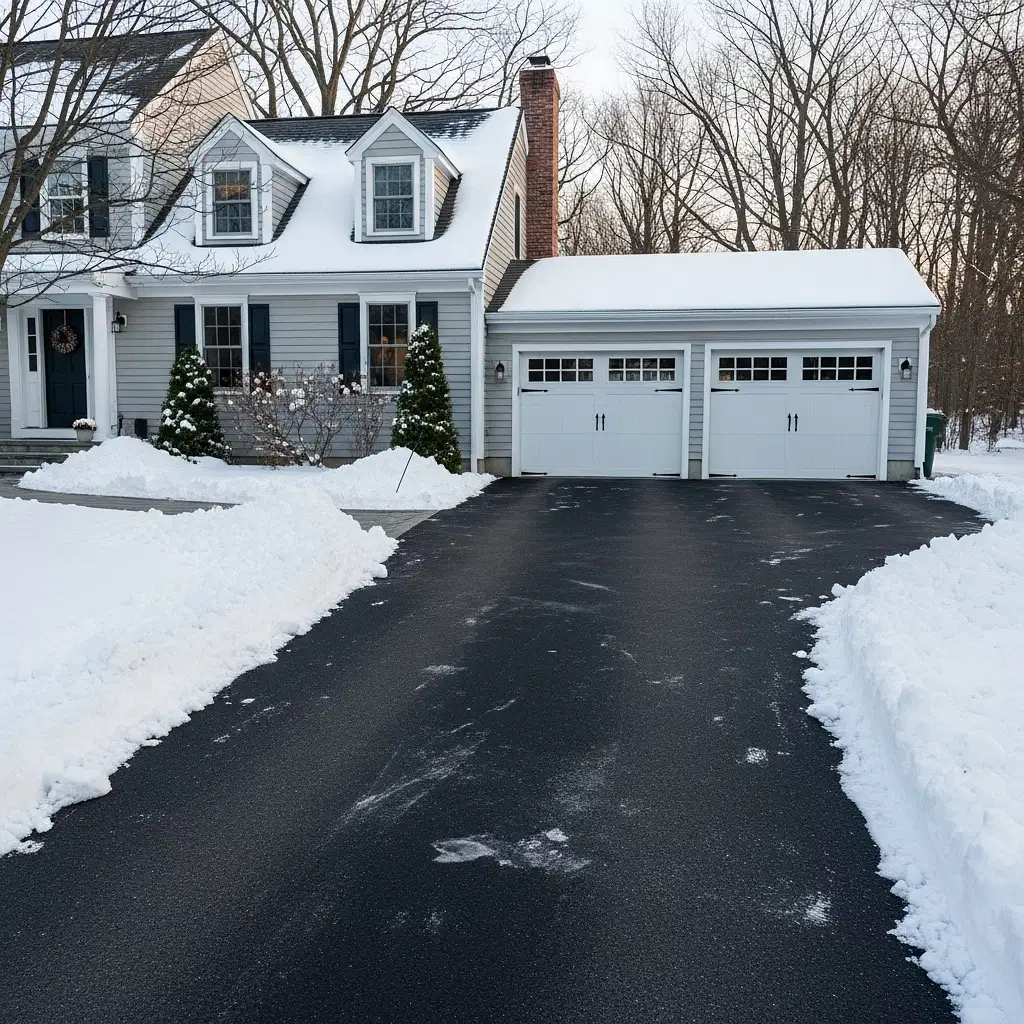
The Waiting Game: Why Patience is Your Lawn's Best Friend
After a long winter, the urge to get outside and start cleaning up the yard is strong. However, the single most important thing you can do for your lawn during the spring thaw is to stay off it. When the ground is saturated with melted snow, the soil structure is incredibly vulnerable. Walking on it, or worse, using heavy equipment like mowers or wheelbarrows, squeezes out the essential air pockets between soil particles. This is called soil compaction.
Compacted soil creates a number of problems:
- Poor Drainage: Water can no longer move freely through the soil, leading to standing water and soggy spots that can drown grass roots.
- Root Suffocation: Grass roots need oxygen to thrive. Compaction cuts off this supply, weakening the plant.
- Reduced Nutrient Uptake: A dense soil structure makes it difficult for roots to absorb water and nutrients, stunting growth.
So, how do you know when it's safe? The best method is the footprint test. Step onto the grass and observe. If water squishes up around your shoe or your footprint leaves a deep, wet impression, the ground is still too saturated. Wait until the soil is firm enough to support your weight without that spongy, wet feeling.
Assessing Winter's Toll: What to Look For
Once the snow has completely melted and the ground has had a chance to dry out, it's time for a gentle walk around your property to assess any potential winter damage. Don't be alarmed by what you see; most common issues are cosmetic and can be easily addressed.
- Snow Mold: This is one of the most common sights after a Minnesota winter. You might see circular patches of matted-down grass with a grayish or pinkish web-like coating. While it looks unpleasant, snow mold is typically a surface-level fungus that affects the grass blades but not the roots. It will usually disappear on its own as temperatures rise and airflow increases.
- Vole Damage: Voles are small rodents that create winding, snake-like tunnels or "runways" on the surface of the lawn by eating grass blades under the cover of snow. This damage is almost always superficial. The grass crowns are usually intact and will recover once the lawn begins to grow.
- Salt Damage: If your lawn borders a driveway, sidewalk, or street, you may notice brown, dead-looking grass in those areas. This is often caused by de-icing salts. These areas may need to be raked out and reseeded to recover fully.
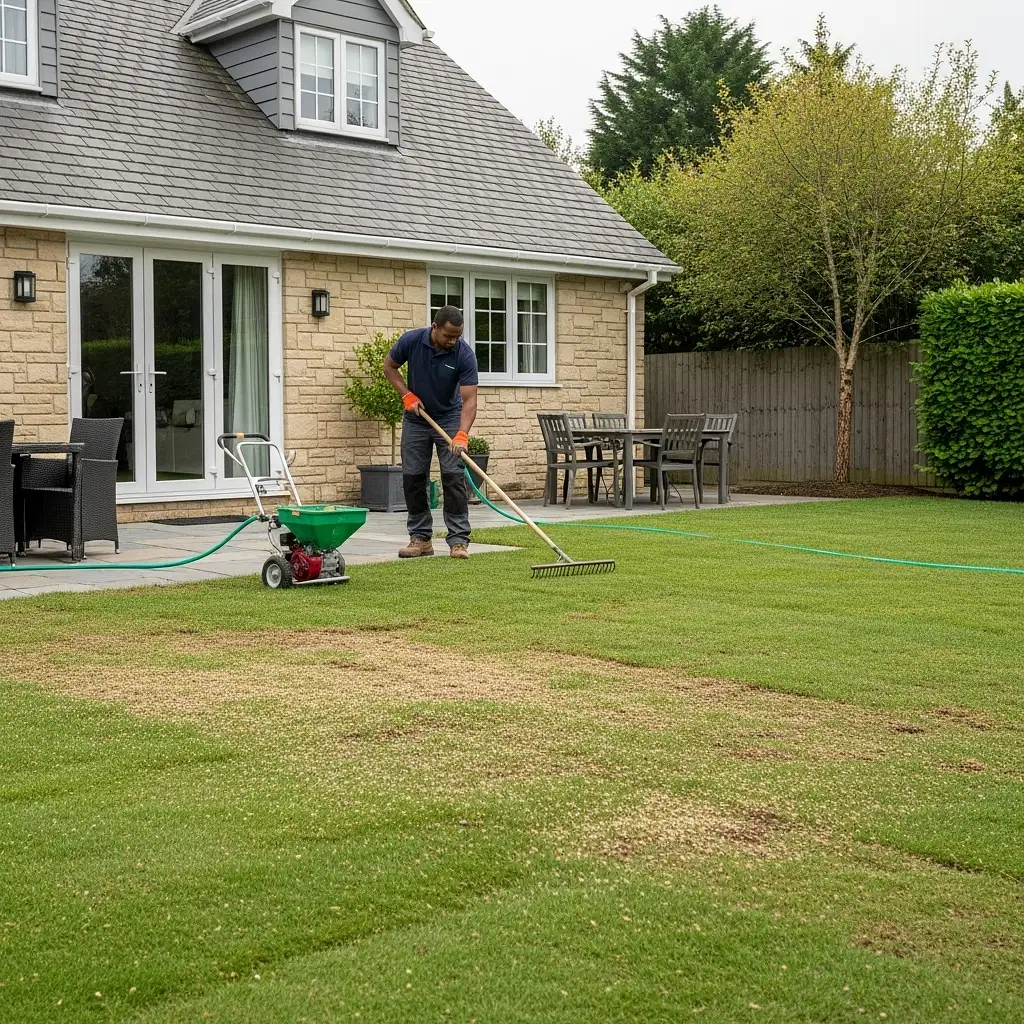
Your First Steps Toward a Greener Lawn
When your lawn is finally dry and firm, you can begin the spring cleanup process. The key is to be gentle, as the grass is still waking up and vulnerable.
1. A Gentle Raking: Your first action should be a light raking with a flexible leaf rake, not a stiff metal one. The goal isn't to aggressively dethatch the lawn but to gently fluff up the matted grass blades caused by snow mold, break up any leftover leaves or debris, and improve air circulation to the soil surface. This simple step is often all that's needed to help the lawn recover from snow mold and vole activity.
2. The First Mow of the Season: Timing the first mow is crucial for setting a healthy growth pattern. Wait until the grass has actively grown to a height of about 3 to 3.5 inches. Mowing too early can shock the young grass blades, while waiting too long can promote weed growth. For this first cut, make sure your mower blade is sharp to ensure a clean cut that doesn't tear the grass. A good rule of thumb is to never remove more than one-third of the grass blade at a time.
Getting that first cut right sets the tone for the entire season. If you want to ensure it's done at the perfect time and height without the hassle, our professional lawn mowing services provide a reliable start for a healthy summer lawn.
Conclusion: Set Your Lawn Up for Success
The Minnesota spring thaw is a season of patience and careful observation. By resisting the urge to work on saturated soil, you can prevent long-term compaction and drainage problems. Once the ground is dry, a gentle assessment and a light raking are all that's needed to prepare your lawn for the growing season. Topping it off with a perfectly timed first mow will encourage strong, healthy growth that lasts all summer.
By following these simple steps, you'll help your lawn recover from winter and set it on a path to becoming the lush, green oasis you envision. If you need a hand getting your yard ready for the season, Chopper Lawn Mowing LLC is here to help with expert Lawn Mowing, Mulching, and Rock Bed installation. Contact us today for a free estimate and let's get your Minneapolis lawn ready for summer!